
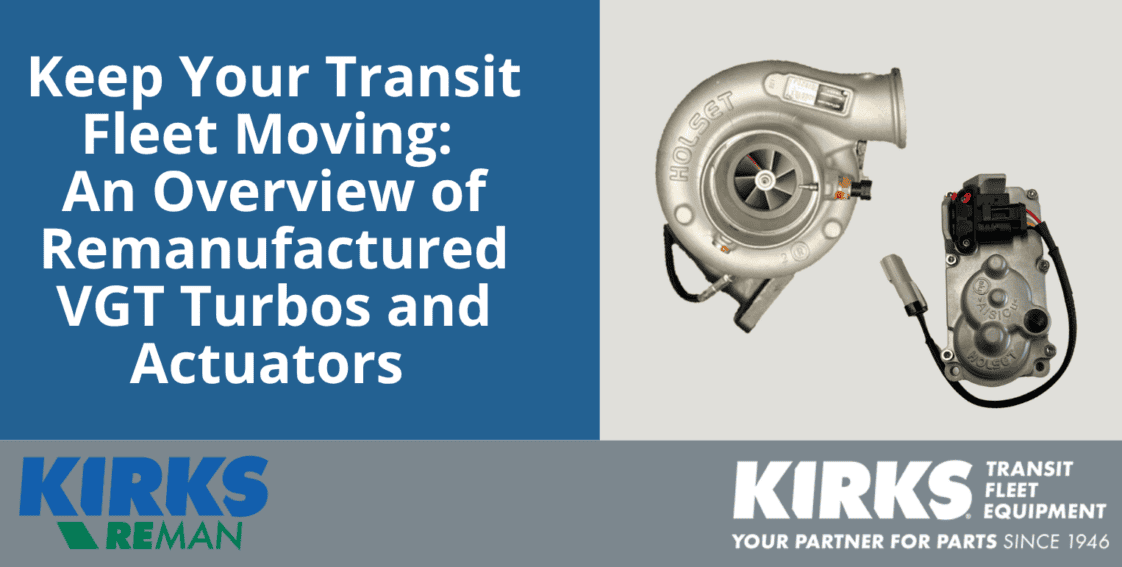
Keep Your Transit Fleet Moving with Remanufactured VGT Turbos and Actuators
Imagine the scene: It’s 5:15 AM on a rainy morning, and dispatch is in full swing. The coffee is still brewing, and driver #14 steps into the shop with that look on his face and the news: “The bus won’t go.”
He pulled out of the yard, hit the main road, stomped on the accelerator, and… almost nothing happened. The bus crept up the hill at a brisk walking pace, coughing up a small cloud of frustration before the dash lit up and dropped the engine into derate mode.
The lead tech grabs the diagnostic laptop, plugs into the OBD port (On-Board Diagnostics), and sighs: VGT Position Error.
Sourcing reliable VGT turbos and turbo actuators
As we cover the benefits of sourcing Approved Equal remanufactured VGT turbochargers and turbo actuators, we’ll take a quick look back at how turbos became a transit staple, break down how VGT systems work, pinpoint why they fail, and explain how high-quality remanufactured units get your buses out of the bay and back on route without breaking your maintenance budget.
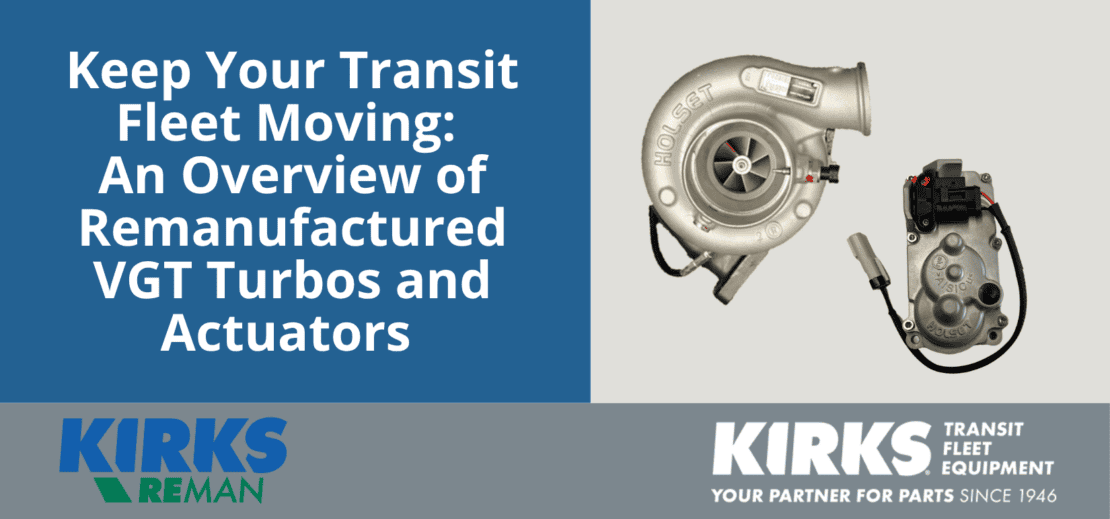
A Quick History: How Turbos Became the Lifeblood of Transit
It’s hard to imagine heavy-duty diesel engines without turbochargers today, but forced induction wasn’t always the standard on city streets.
Swiss engineer Alfred Büchi patented the first exhaust-driven turbocharger in 1915, but it took another decade of refinement before a reliable unit made its way onto large ten-cylinder marine diesel engines in 1925. By WWII, turbos were proving their worth high in the sky on military aircraft engines.
The automotive world took notice in the 1950s and 60s. GM famously introduced turbocharging to passenger cars in 1962 with the Chevrolet Corvair Monza and Oldsmobile Jetfire. Still, early turbos suffered from severe “turbo lag” (the frustrating delay between pressing the pedal and feeling the power kick in), making them tricky for everyday driving.
The real shift for the transit industry came in the late 1970s and 1980s. As the Interstate Highway System expanded and environmental regulations tightened, engine manufacturers shifted heavy-duty two-stroke and four-stroke diesels to forced induction. Turbochargers quickly became non-negotiable for squeezing maximum horsepower and fuel efficiency from heavy transit buses.
Fast forward to the early 2000s: standard turbos couldn’t keep up with increasingly strict EPA emissions standards across all engine speeds. Enter the Variable Geometry Turbocharger (VGT).
How VGT Turbos and Turbo Actuators Work Together
A standard fixed-geometry turbocharger is a bit like a single-speed bicycle: it’s optimized for one specific speed range and struggles everywhere else. A VGT, on the other hand, acts like an 18-speed bike, continuously adjusting its internal components to deliver smooth low-end torque, sharp throttle response, and low emissions whether the bus is idling at a stoplight or cruising on the highway.
The system relies on three core components working in unison:
- The Engine Control Unit (ECU): The bus’s central computer brain constantly monitors engine load, throttle position, and exhaust sensors to calculate exactly how much air the engine needs.
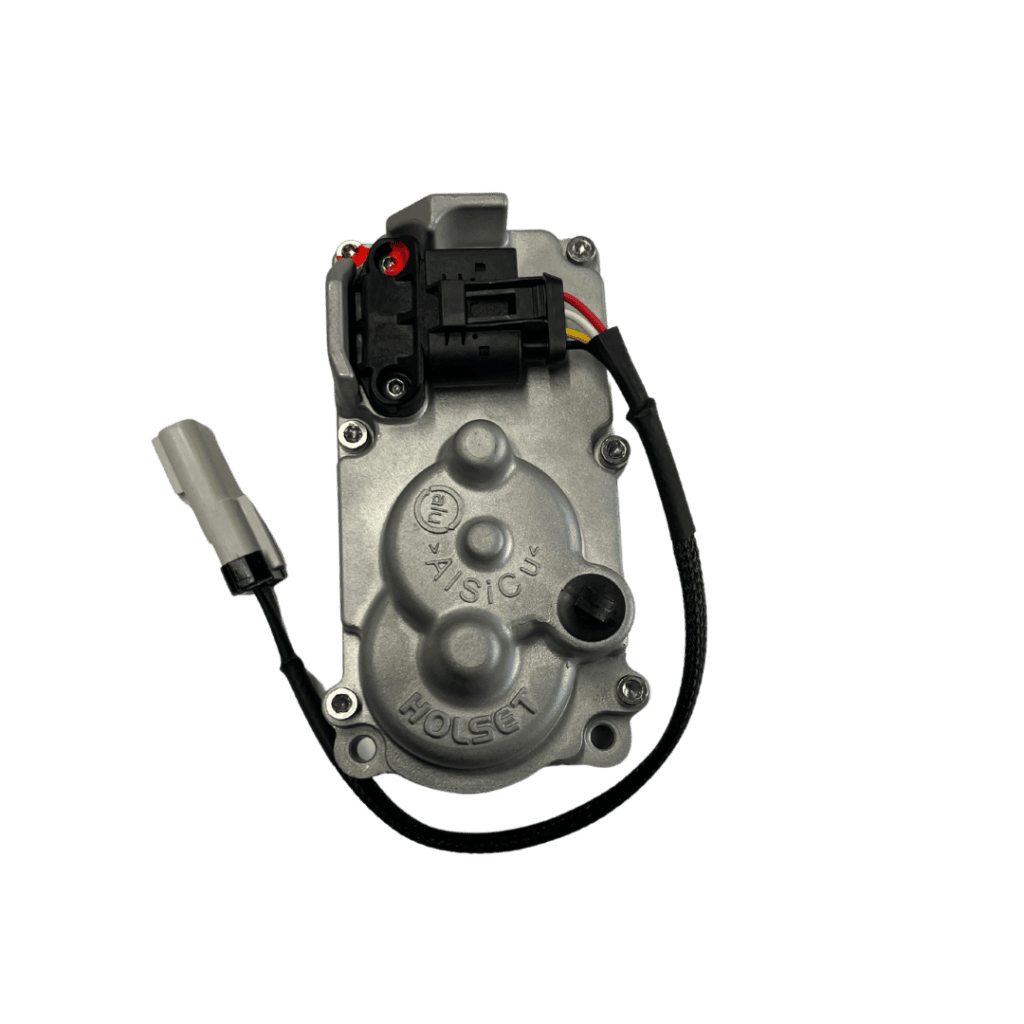
- The Turbo Actuator: Think of this as the muscle. This electronic or pneumatic unit takes orders from the ECU and physically moves the turbo’s internal mechanism.
- The Variable Vanes: Located inside the turbine housing, these movable vanes pivot to alter exhaust gas velocity driving the turbine wheel:
- Small Gap (Low Speed / High Load): The vanes narrow the passage, speeding up the exhaust flow (like putting your thumb over a garden hose) to spin the turbine faster and eliminate low-end turbo lag.
- Wide Gap (High Speed / Highway Cruising): The vanes open, relieving excess backpressure to prevent engine overboost while maintaining optimal efficiency. When working properly, this system keeps the air-fuel ratio dialed in perfectly, helping your fleet meet strict EPA anti-idling and fuel-efficiency standards.
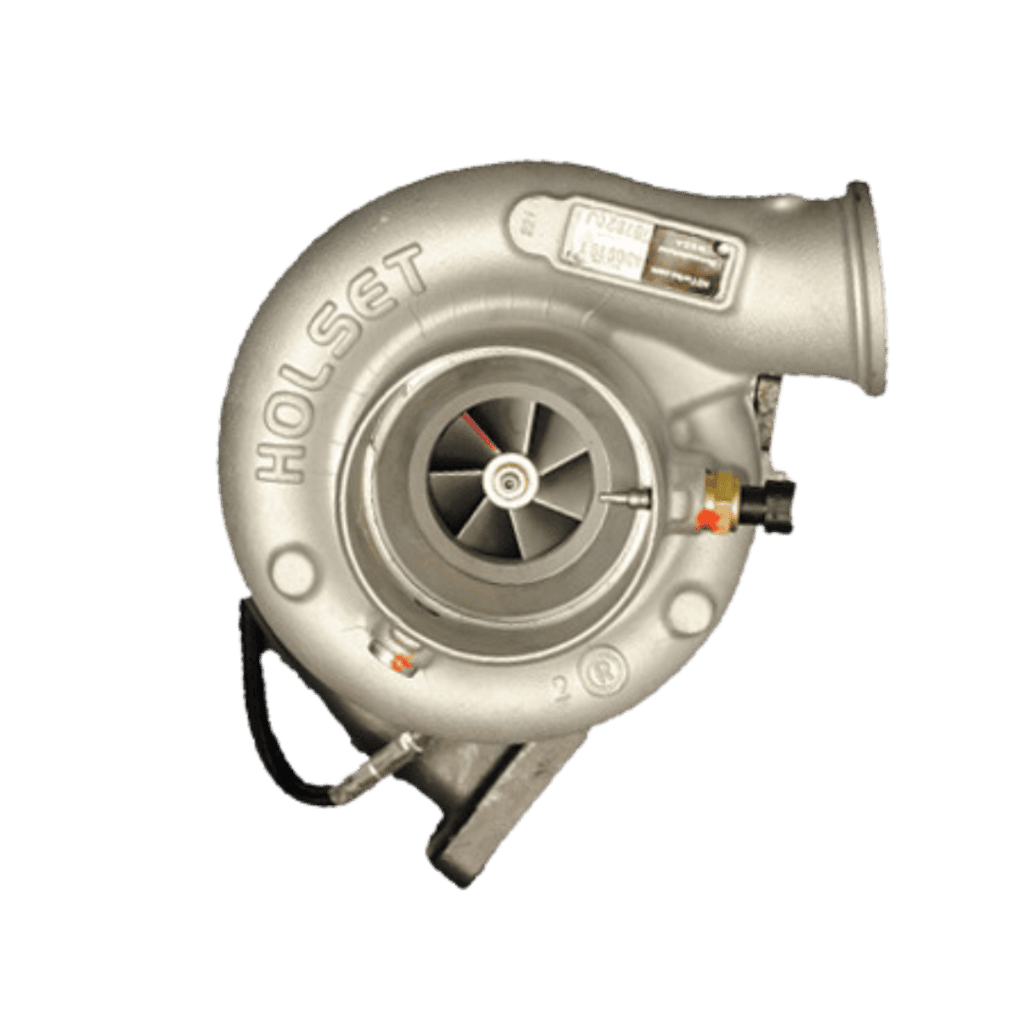
The Root Causes of VGT & Actuator Failures 1
Because VGTs live directly in the path of scorching-hot exhaust gases, transit operating cycles are particularly hard on them:
- Soot & Carbon Buildup: Constant stop-and-go transit driving produces heavy soot. Over time, sticky carbon bakes onto the internal variable vanes, causing them to bind or lock solid.
- Actuator Overwork & Gear Failure: When the internal vanes start sticking, the actuator’s internal electric motor and gears have to force them open or closed. That constant strain can strip plastic gears, overheat circuit boards, or blow seals.
- Heat Stress & Contamination: Excessive Exhaust Gas Temperatures (EGTs), oil starvation, or diesel particulate filter (DPF) restrictions cook internal shaft bearings and destroy sensitive actuator electronics.
Diagnostic Tips: Don’t Throw Parts at Fault Codes
Before ordering a complete turbo assembly, your techs can perform a few quick checks in the shop to isolate the problem:
- Sweep the Selector Arm: Unbolt the actuator and manually move the turbo’s gear selector arm by hand. It should glide smoothly from stop to stop with zero binding or grinding. If it sticks, carbon has seized the internal vanes, and the turbo housing itself needs attention.
- Check the Electricals: Test voltage supply pins and measure the actuator’s terminating resistance with a multimeter before condemning the electronic module.
- Remember Calibration: VGT actuators require precise electronic calibration with the Engine Control Module (ECM) to establish zero-position limits. Bolt on an uncalibrated actuator, and you’ll be greeted with immediate fault codes and erratic boost behavior.
Remanufactured Turbochargers and Actuators? What are the Pros & Cons?
Should Transit Authorities Purchase New or Remanufactured Turbochargers?
The decision to buy new or remanufactured turbos and actuators depends on your transit authority’s budget constraints, fleet lifecycle goals, and uptime requirements.
Fleet Decision Matrix: New vs. remanufactured turbochargers for transit & coach:
| Factor | New Turbos | Quality Remanufactured Turbos (KIRKS) |
|---|---|---|
| Upfront Investment | ❌ High Cost: Top-dollar purchase price that stretches fleet maintenance budgets. | |
| Part Availability & Uptime | ❌ Potential Lead-Time Delays: Factory backorders or supply chain lags can leave buses sitting in the bay. | |
| Component Quality & Engineering | Factory Spec: 100% brand-new factory parts, guaranteed to meet original assembly tolerances. | Upgraded Engineering: Reputable remanufacturers fix known factory design flaws and replace all critical wear items with new components. |
| Performance & Efficiency | Predictable Output: Matches original power, fuel economy, and EPA emissions targets out of the box. | OEM-Equal Output: High-speed dynamic balancing and bench calibration deliver performance equivalent to new units. |
| Reliability | Maximum lifespan; zero wear history. | High; built to meet or exceed OEM specifications. |
| Environmental Impact | ❌ New Resource Consumption: Requires full raw-material manufacturing and processing. | Sustainable Choice: Reclaims durable core castings, significantly reducing industrial waste and carbon footprint. |
| Quality Consistency Risk | Low Risk: Direct supply chain oversight ensures consistent manufacturing standards. | ⚠️ Supplier Dependent: Quality varies widely across shops. Low-tier rebuilders may reuse worn parts or skip dynamic balancing. |
| Warranty & Support | Manufacturer Backed: Standard factory warranty support from the original engine maker. | Remanufacturer Backed: Strong coverage when sourced from top-tier facilities following strict testing protocols. |
Key Decision Factors for transit authorities purchasing turbochargers & actuators:
- Component Complexity: Actuators (especially electronic ones) have sensitive circuitry. If choosing remanufactured, ensure the vendor replaces faulty electronics rather than just cleaning them. Turbos are excellent candidates for remanufacturing because the heavy cast iron housings rarely fail.
- Warranty: Only consider remanufactured parts if the supplier matches the OEM “new” warranty. Many reputable heavy-duty remediators offer the exact same coverage.
- Core Management: Remanufactured purchasing requires an active core-return program. If your maintenance shop doesn’t have the logistics to track and ship old cores back promptly, hidden fee penalties can erase your cost savings.
- Consider Fleet Age: If a bus route is scheduled to be decommissioned or transitioned to electric in 2 to 3 years, investing in brand-new turbos rarely yields a positive return on investment.
- While brand-new OEM turbos offer straightforward factory certainty, they come with a premium price tag and potential supply chain delays.
Remanufacturing of turbos and actuators that gives fleet operators an Approved Equal™ solution cuts upfront costs and eliminates factory design flaws. Having confidence in your source will come from an established facility that enforces 100% wear-part replacement and dynamic high-speed balancing.
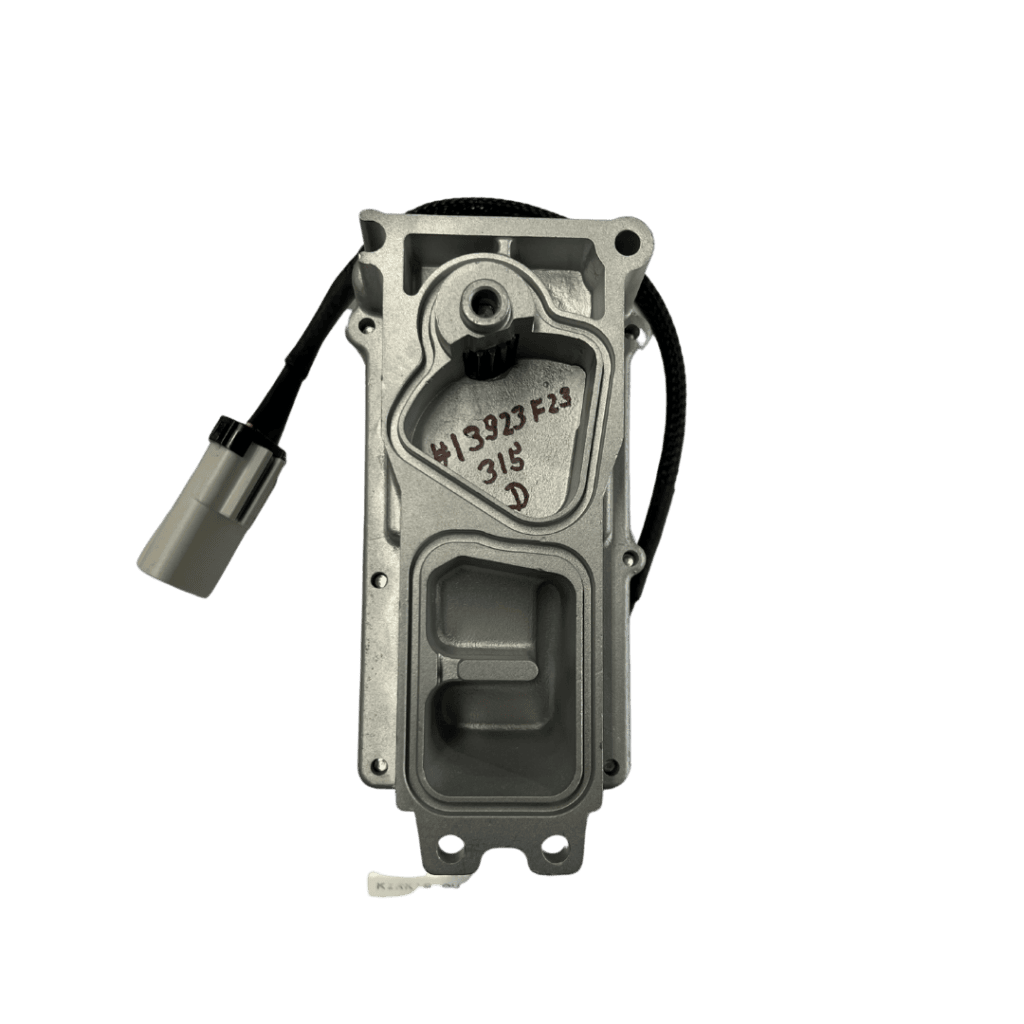
The KIRKS Turbocharger & Actuator Remanufactured Advantage
When a VGT system finally gives up the ghost, fleet managers usually face a tough choice: wait weeks for overpriced OEM replacements or gamble on cheap aftermarket knockoffs that might fail in three months.
KIRKS Approved Equal™ remanufactured VGT turbos and pre-calibrated actuators offer an option you can source with confidence: OEM-level quality at a budget-friendly price, built to survive the heavy-duty transit lifecycle.
Keep Your Fleet Running with KIRKS
Visit KIRKS VGT turbo products and the Turbo Actuator products page for KIRKS’ Approved EqualTM, cost-effective, and reliable, remanufactured options.
You don’t have to choose between waiting weeks for overpriced turbos or gambling on unreliable s repairs. KIRKS Approved Equal™ VGT turbos and pre-calibrated actuators are tested to match or exceed OEM specs so they drop right in and get the bus back online.
Have questions about VGT compatibility or need a quote for your fleet? Contact a KIRKS parts specialist today!
1 https://buscmms.com/blog/cummins-isb6-7-bus-engine-maintenance-guide
Article Summary
The variable geometry turbocharger (VGT) regulates the heavy air intake your engine needs to breathe, while the actuator actively directs the internal vanes. When soot buildup or heat bakes these components, fleet teams face a frustrating dilemma: wait on overpriced OEM replacements, risk cheap aftermarket knockoffs, or settle for unreliable repairs.
By understanding how VGT systems function and utilizing strict diagnostic steps, maintenance teams can identify failures before replacing parts. Fleet managers and purchasing departments are challenged to determine whether to purchase new or remanufactured turbochargers and actuators. We cover the pros & cons of new vs. remanufactured VGT turbos and pre-calibrated actuators for an OEM-level, drop-in solution.
Public transit and motorcoach operators need the long-lasting performance to escape the parts trap and keep their fleets on route.
VGT Turbos: Frequently Asked Questions (FAQs)
Q: Why are transit bus operating cycles particularly tough on VGT turbos?
A: Transit buses face heavy idling, constant stop-and-go routes, and extreme under-hood heat cycles. This environment generates high soot levels, which build up as sticky carbon deposits inside the turbine housing, eventually seizing the internal variable vanes and overloading the actuator.
Q: What is the primary job of the turbo actuator in a transit engine?
A: The actuator serves as the director for the turbocharger. It receives commands from the engine control unit (ECU) and physically adjusts the position of the internal vanes, ensuring the engine receives the exact air-fuel mixture required across all speed ranges.
Q: How can a technician tell if a VGT issue is caused by mechanical binding versus electronic actuator failure?
A: Techs can unbolt the actuator and manually sweep the turbo’s gear selector arm by hand. If the arm glides smoothly from stop to stop, the mechanical vanes inside the turbo housing are clear, pointing toward an electrical or actuator module issue. If it binds or sticks, carbon buildup has seized the internal mechanism.
Q: Do remanufactured turbo actuators require calibration after installation?
A: Yes. VGT actuators require precise electronic calibration with the Engine Control Module (ECM) to set zero-position limits. Installing an uncalibrated unit will result in immediate fault codes and erratic boost performance.
Q: What makes a high-quality remanufactured VGT turbo different from a quick repair or low-cost aftermarket option?
A: Premium remanufacturing goes far beyond cleaning old parts. It involves strict core screening, 100% mandatory replacement of wear components (bearings, seals, and hardware), chemical/ultrasonic carbon removal, multi-plane dynamic high-speed balancing, and bench-calibration of actuators to match or exceed OEM specifications.
Q: What happens if an actuator tries to move vanes that are stuck with carbon soot?
A: When internal vanes seize, the actuator motor and internal gears are forced to work against extreme resistance. This constant strain can strip gears, overheat electrical circuit boards, or blow internal seals.