

Long-Lasting Air Brake Compressors for Transit Buses: A Breath of Fresh Air
A transit bus needs to breathe. The air brake compressor is like the bus’s set of powerful mechanical lungs, taking a deep breath of outside air, holding it until the exact moment it’s needed for a safe stop.
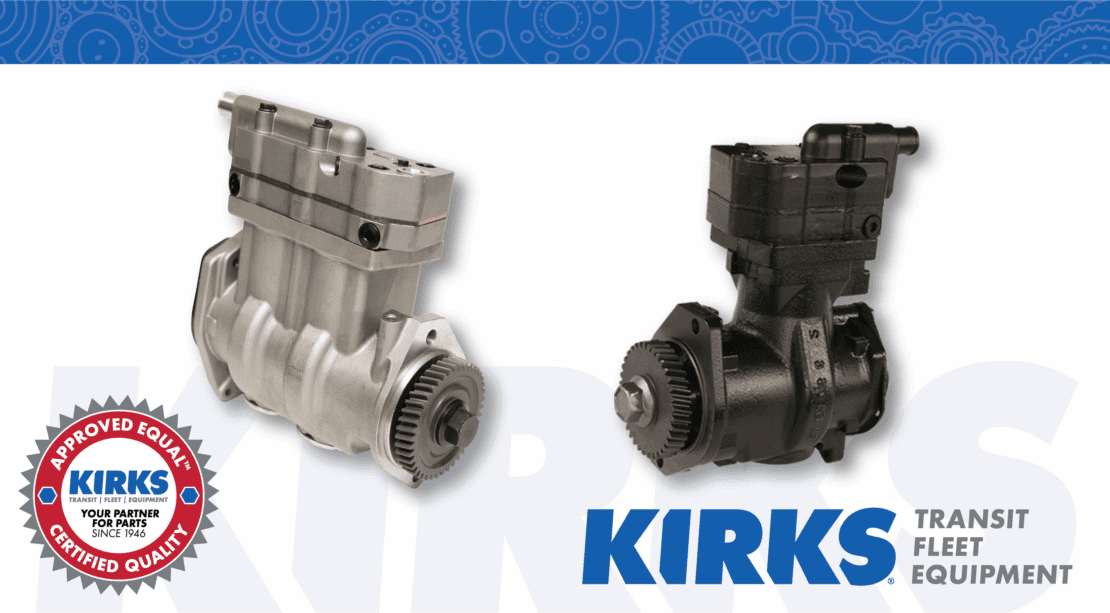
Powered by the vehicle’s engine, the air brake compressor converts atmospheric air into compressed air energy needed to power the heavy-duty brakes of the bus. If the air brake compressor is clogged, weak, or damaged, your bus can’t exhale with the force you need to safely stop.
Let’s take a look at keeping your fleet breathing easy with dependable parts.
The Transit Bus’s Respiratory System:
The air brake compressor is the starting point for the entire brake system. Think of it as the powerful set of lungs drawing air in to be used by the bus.
- Inhale (Intake): The compressor, powered by the engine, pulls in outside air through a filter.
- Hold (Compression): Pistons inside the air brake compressor pressurize the air, typically to around 120-130 PSI. This essentially allows the bus to ‘hold its breath’ with immense potential energy. The compressed air is sent to the air dryer to remove moisture and contaminants before being stored in air tanks (reservoirs) until it’s needed for the air brake system.
- Exhale (Distribution): When the driver hits the brake pedal, the compressed air is exhaled with force, traveling through the air lines to apply the brakes.
A governor is an add-on component of the air brake compressor and acts as the brain stem, telling the air brake compressor when to inhale (cut-in pressure) and when to rest (cut-out pressure). This simple, powerful cycle is what gives a multi-ton transit bus its serious stopping power.
The governor has three primary functions:
- Monitors pressure: It detects when system air reaches preset maximum (cut-out) or drops below minimum (cut-in).
- Controls compressor: It signals when to stop pumping air or restart building pressure.
- Optimizes performance: It adjusts cut-in and cut-out settings to control compressor cycle speed, improving efficiency and lifespan.
This continuous cycle, managed by the governor, keeps the bus’s brake system “breathing” steady, ensuring safe, reliable operation.

Is Anything More Important Than A Transit Bus’s Brakes?
Nothing is more critical than the air brake system. However, the same air generated by the “lungs” is also used to power other crucial systems, including:
- Air Suspension: This is arguably the second most important system. It’s responsible for the vehicle’s ride quality, stability, and leveling the chassis under heavy loads. A failure here can affect vehicle handling and safety.
- Bus “Kneeling” Feature: Part of the suspension system, this allows the driver to lower the front of the bus for easier passenger boarding. It’s critical for accessibility and ADA compliance.
- Pneumatic Doors: The doors on most transit buses are operated by air pressure, controlling passenger entry and exit.
While other components on the bus use compressed air, the brakes are the primary safety system. The entire air system is designed with the brakes as the top priority.
While the suspension, kneeling function, and doors are vital for the bus’s operation and service, a failure in those systems is an operational problem.
Compressed air is the critical force that gives modern systems, like the ones discussed in our guide to Serious Stopping Power: Air Disc Brake Systems, their incredible effectiveness.
When this vital component fails, it leads to unplanned downtime, costly repairs, and major logistical headaches.
Spotting Trouble Before It Stops You: Common Failure Points
Just as the human respiratory system will show symptoms of unhealthy lungs, there are clear warning signs when a vehicle’s air brake compressor is struggling. Catching them early is key to avoiding critical failure and downtime.
For technicians and fleet managers, recognizing the early signs of compressor failure is key to preventing extended vehicle downtime. Just as we recommend in our expert tips for maintaining heavy-duty ADB systems, proactive inspection is crucial.
Here’s a quick preventative maintenance checklist for the air brake compressor on a bus:
- Slow Air Build-Up: This is a classic sign of internal wear on piston rings or cylinder walls, preventing the compressor from building pressure efficiently.
- Excessive Oil Passing: This is a critical failure where engine oil bypasses the compressor’s seals. This oil can contaminate and destroy the entire air system, leading to costly repairs of air dryers, governors, and brake valves.
- Unusual Noises: Knocking or grinding sounds often point to serious internal mechanical issues, such as failing bearings or crankshaft damage, that require immediate attention.
- Failure to Unload: A compressor that doesn’t stop pumping at the cut-out pressure puts excessive strain on the engine and can indicate a problem with the governor or the compressor’s unloader mechanism.
Reliable Air Brake Compressors for Your Fleet: Air Compressors for Cummins Engines
Our new and remanufactured air brake compressors provide:
- Durability: Built with high-quality materials to withstand constant, heavy use.
- Reliability: Rigorously tested to meet the exact performance standards.
- Efficiency: Engineered to minimize engine load while maximizing air output.
Replacement Air Brake Compressors For Cummins ISL 2010+ Engines
Find Your Transit Bus Replacement Parts For New and Remanufactured Air Brake Compressors:
- KIRKS Part: 4938827
- Cross References: 5633302, 6360422, 6315529
- Reman Option: 4938827RX
- KIRKS Part: 5286681
- Cross References: 5633301, 5272391, 6361865
- Reman Option: 5286681RX
Replacement Air Brake Compressors For Cummins B Series Engines:
- KIRKS Part: 5342750
- Cross References: 4991968, 5268437, 5286962, 5286963
- Reman Option: 5342750RX
Your Partner For Reliable Parts
Don’t let a failing air brake compressor leave your fleet gasping for air. We have the OEM and Approved Equal™ parts you need to keep your fleet moving and stopping safely.
KIRKS’ helps you escape the parts trap with our Approved Equal™ promise: when we send a product, you can be confident that it will meet or exceed OEM specifications.
We source from premier OEM manufacturers, ensuring you get the robust, reliable performance your transit vehicles demand. Whether you need brand new or remanufactured options, KIRKS is your single source for quality parts that let you breathe easier.
Connect with a KIRKS parts specialist today. We’re Your Partner for Parts.